Cotton Nest: The Perfect Sans Serif for Handmade Branding
As someone who spends hours designing labels, cutting vinyl for mugs, and formatting printable planners, I know that typography is the silent ambassador of your brand. It doesn’t just convey words; it conveys mood, quality, and intention. When you are creating products for Etsy, setting up a boutique stall, or designing digital downloads, the right sans serif font can make the difference between a project that looks amateurish and one that feels professionally crafted. This is where Cotton Nest comes in.
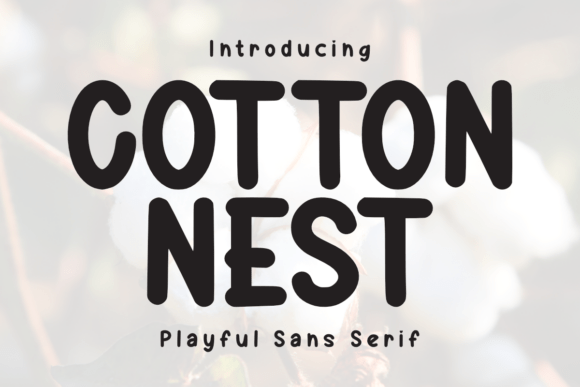
Cotton Nest is not just another typeface; it is a smooth and plump sans serif with a cozy, handmade feel. Its rounded letters and soft edges create an immediate sense of warmth and approachability. For crafters and small business owners, this visual personality is invaluable. Whether you are labeling jars of homemade candle wax, designing baby shower invitations, or creating branding for a new line of organic skincare, Cotton Nest offers the perfect balance of modern cleanliness and rustic charm. It bridges the gap between sterile corporate design and overly ornate decorative fonts, landing squarely in the "comforting" zone that customers love.
Why Cotton Nest Fits the Modern Maker’s Aesthetic
In the world of handmade goods, authenticity is key. Customers want to feel connected to the maker behind the product. A rigid, geometric sans serif might feel too cold for a nursery decor shop, while a complex script might be hard to read on a small sticker label. Cotton Nest solves this problem by offering a display font that is both highly readable and emotionally resonant.
The font’s plump structure gives it weight without being heavy. This makes it excellent for logo design and packaging design. When you see a product tag made with Cotton Nest, it suggests that the item inside is gentle, safe, and thoughtfully made. It works beautifully for brands that aim to feel comforting and nurturing. If you are selling items related to children, pets, home decor, or wellness, this creative font aligns perfectly with those values. It signals to the buyer that care has been taken in every detail, from the product itself to its presentation.
Practical Applications for Crafters and Sellers
One of the biggest challenges for printable creators and physical product sellers is versatility. You need a font that looks good on a large wall art print but also remains legible on a tiny 1-inch round sticker. Cotton Nest excels in these varied contexts due to its clear letterforms and generous spacing.
Labels, Stickers, and Packaging
For product label makers, readability is paramount. Cotton Nest’s rounded edges prevent the text from looking sharp or aggressive, which is ideal for food items, bath bombs, or candles. Because the letters are distinct, even when scaled down, the text remains clear. Imagine a set of minimalist jar labels for a honey producer or a boutique soap shop. Using Cotton Nest for the product name, paired with a smaller, simpler sans serif for the ingredients, creates a hierarchy that guides the customer’s eye naturally. It elevates the perceived value of the item, making a $5 candle look like a $15 gift.
Invitations and Stationery
If you design wedding stationery or greeting cards, Cotton Nest provides a modern twist on traditional layouts. It pairs exceptionally well with floral illustrations or watercolor backgrounds because its clean lines do not compete with intricate artwork. Use it for the main headline of a birthday invitation or the title of a wedding welcome board. The font’s cozy nature adds a layer of intimacy to the message, making the recipient feel personally welcomed rather than just addressed.
Digital Printables and Planners
For creators of digital printables, such as planners, journals, or wall art, consistency is crucial. Cotton Nest works well as a primary header font in planner pages. Its soft curves make daily schedules and task lists feel less daunting and more inviting. In printable wall art, using Cotton Nest for inspirational quotes creates a focal point that is easy to read from a distance yet intimate enough for close-up viewing. It fits seamlessly into farmhouse, boho, and minimalist aesthetic trends that dominate online marketplaces.
Font Pairing Strategies for Cohesive Designs
No single font does everything, and part of mastering modern typography is knowing how to combine typefaces. Cotton Nest shines when used in conjunction with contrasting styles. Since it is a sans serif font with a handwritten soul, it pairs beautifully with:
- Expressive Script Fonts: Combine Cotton Nest for the bold headers with a flowing brush script for accents or signatures. This combination is classic for social media graphics and Instagram templates, offering a mix of stability and flair.
- Handwritten Fonts: For a truly unified "maker" look, pair Cotton Nest with a casual, sketch-style handwritten font. Use Cotton Nest for the structured information (dates, prices, names) and the handwritten font for decorative flourishes.
- Bold Display Fonts: If you need extra impact, use Cotton Nest alongside a heavy, blocky display font. The contrast between the plump, soft curves of Cotton Nest and the hard edges of a bold font creates dynamic visual interest suitable for sale flyers or event posters.
Avoid pairing Cotton Nest with other similar rounded sans serifs unless they have significantly different weights, as this can create a muddy, indistinct look. Instead, seek contrast in style—script against sans serif, or thin against thick—to maintain clarity and professional polish.
Technical Considerations for Production
Before downloading any design assets, it is wise to review the technical specifications. Check if the font includes multiple styles, such as regular, bold, or italic variations. While Cotton Nest is primarily a display font, having access to alternate characters, ligatures, or swashes can add unique touches to custom logos or monograms. Ensure the file format is compatible with your software, whether you are using Adobe Illustrator for vector cuts, Photoshop for raster images, or Canva for quick templates.
Readability testing is another critical step. Always preview your designs at actual size. What looks great on a 24-inch poster may become illegible on a 0.5-inch sticker. Test Cotton Nest in black and white to ensure the contrast holds up, especially if you plan to use it in pastel colors common in baby and nursery themes. Soft pastels can sometimes reduce legibility, so verify that the font weight is sufficient for your chosen background color.
Commercial Licensing and Best Practices
As a seller, understanding commercial font licensing is essential to protect your business. Most premium fonts require a commercial license if you intend to sell products created with them. This includes physical goods like shirts, mugs, and tote bags, as well as digital products like SVG files, printables, and templates. Always read the specific end-user license agreement (EULA) for Cotton Nest. Typically, a standard commercial license allows you to embed the font in your design files and sell the final output, but you cannot redistribute the font file itself. Keep records of your licenses, as proof of purchase may be required by marketplaces like Etsy or Amazon Merch in case of copyright inquiries.
By choosing Cotton Nest, you are investing in a typeface that speaks directly to the heart of your customer. It is versatile enough for web design headers and social media posts, yet sturdy enough for brand identity systems. Its ability to convey comfort and quality makes it a standout choice for anyone looking to elevate their craft business. Whether you are a seasoned pro or just starting out, incorporating Cotton Nest into your toolkit will help your designs stand out in a crowded marketplace with grace and charm.